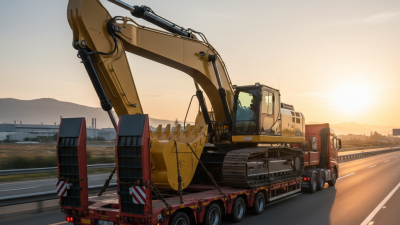
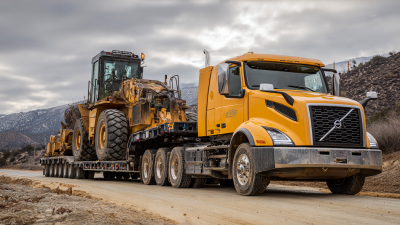
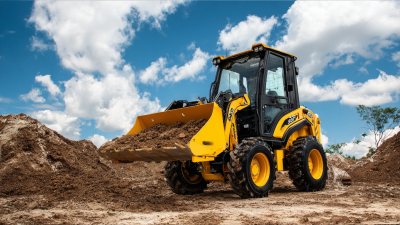
The world of Heavy Machinery Transport in China is changing pretty fast. As industries keep growing, there's more and more need for reliable transportation solutions. Lots of companies are jumping in to meet that demand, each offering their own unique services tailored specifically for heavy equipment logistics.
But let’s not forget, handling heavy machinery isn’t exactly a walk in the park. It takes careful planning, expertise, and the right equipment. Companies like Sinotrans and China Railway are doing their part to improve things, but yeah, there are still hurdles. For example, delays happen sometimes because of complicated regulations or unexpected weather—nothing we can totally control. Plus, not all companies can promise safe handling every single time.
Picking the right transport partner really matters if you want your project to go smoothly. It’s important to look at how reliable they are, their experience, and the quality of their service. Some firms might be quick, but maybe not as secure, while others focus more on safety. Getting a good grip on these little details really helps when making decisions. As we check out some of the top options out there, keeping these points in mind makes choosing the right partner a lot easier for your next big project.
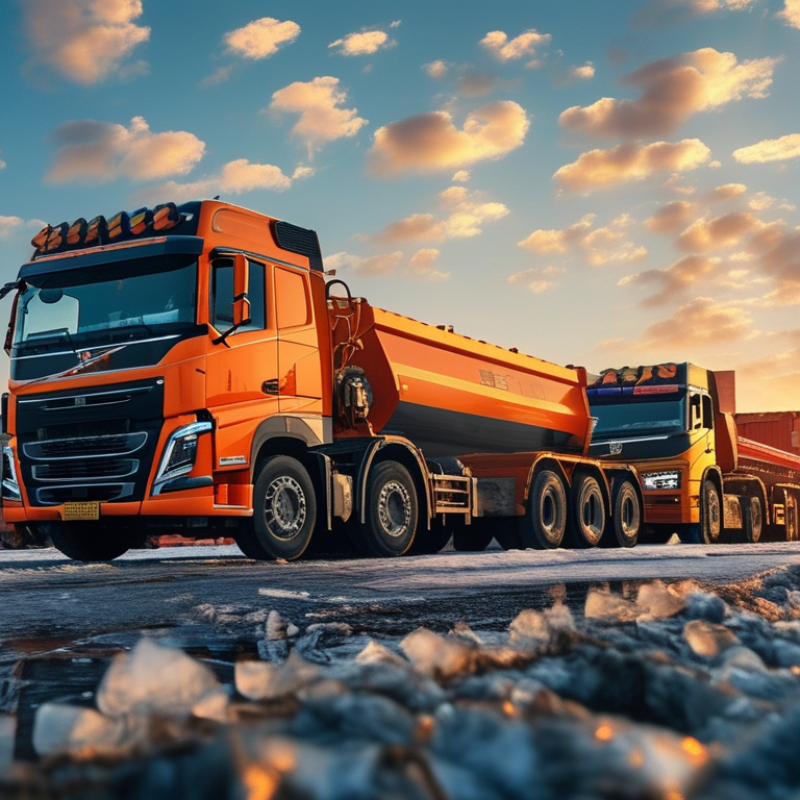
Heavy Machinery Transport Overview in China
Heavy machinery transport in China is a critical aspect of infrastructure development. The country's rapid urbanization demands efficient movement of large equipment. Transporting heavy machinery involves not just logistics, but also navigating intricate regulations. Expertise in this area is crucial, as the balance between speed and safety is delicate.
Transport solutions range from specialized trucks to rail networks. Roads need to handle tremendous loads, with many routes requiring structural upgrades. Heavy Machinery Transport Manufacturers often collaborate with local authorities to ensure compliance. Yet, there are challenges. Some transport providers may lack experience, leading to delays and increased costs.
Accurate routing is essential. Each journey poses unique hurdles, such as narrow roads or limited access. The effectiveness of a transport solution can diminish if unforeseen issues arise. Therefore, continuous evaluation of existing methods is necessary. While China excels in heavy machinery transport, opportunities for improvement exist, particularly in training and technology integration.
Factors Influencing Heavy Machinery Transport Efficiency
Transporting heavy machinery in China requires careful planning and efficient operations. Factors such as route selection, load weight, and vehicle type significantly impact overall transport efficiency. According to recent industry reports, optimizing these elements can reduce delivery time by up to 25%. Choosing the right transport route minimizes delays and safety risks.
Weather conditions also play a critical role in transport efficiency. Heavy rains or fog can disrupt schedules. Many companies invest in real-time weather monitoring systems. These tools help adjust routes promptly, ensuring that machinery arrives safely and on time. However, reliance on these systems can sometimes lead to overconfidence.
Regulatory compliance is another crucial factor. Transporting heavy machinery often involves navigating a complex web of local regulations. Failing to comply can result in penalties and delays. Studies show that companies with dedicated compliance teams are 30% more likely to maintain efficient operations. It's essential to keep abreast of changing regulations to avoid potential setbacks.
Top Heavy Machinery Transport Companies in China
China's economy relies heavily on construction and industrial sectors. Transportation of heavy machinery plays a vital role in these industries. Efficient logistics is crucial to ensure timely deliveries and minimize downtime on job sites. Companies specializing in heavy machinery transport have emerged to meet this demand.
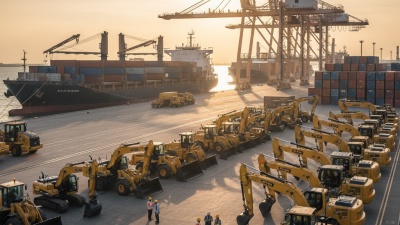
Top heavy machinery transport companies focus on safety and efficiency. They employ skilled personnel and use advanced equipment. These organizations often have years of experience in handling oversized and heavy loads. Knowledge of local regulations is essential for successful transport. Some companies excel in multimodal transport, combining road, rail, and sea methods. This flexibility allows them to adapt to different project needs.
It's important to consider that the heavy machinery transport sector is not without challenges. Delays can occur due to road conditions or unforeseen circumstances. Not every Heavy Machinery Transport Manufacturer is equipped to handle every situation. Companies must invest in training and technology to stay competitive. Continuous improvement is necessary to navigate this complex field effectively.
Innovative Technologies in Machinery Transportation
Innovative technologies in machinery transportation are transforming the industry in China. Reports indicate that over 50% of machinery transport companies are adopting automation. Automated hauling systems reduce human error and increase efficiency. These systems leverage GPS and IoT technology to monitor loads in real-time.
Telematics is another crucial development. Data is collected from machinery during transport, providing insights on fuel consumption and route optimization. Studies show that using telematics can improve fuel efficiency by up to 15%. However, integrating such technologies presents challenges, such as high initial costs and system compatibility issues.
Despite the advancements, the industry must continuously refine these innovations. The implementation of electric transport vehicles is still in its infancy. More infrastructure is needed for widespread adoption. Additionally, training personnel to operate advanced technologies can be resource-intensive. The balance between technology and operational readiness remains delicate in China's evolving heavy machinery transport landscape.
Regulatory Considerations for Transporting Heavy Machinery
Transporting heavy machinery in China involves navigating complex regulations. Authorities have strict rules governing the dimensions, weight, and routes used for transport. Before moving any equipment, it’s essential to understand these laws thoroughly. Non-compliance can lead to fines and project delays.
Tips: Always check local regulations. Each province may have its own requirements. Determining the right transport method is crucial. High-Quality Heavy Machinery Transport needs proper planning and execution. You might need special permits, especially for oversized loads.
Route selection is another critical factor. Some roads are unsuitable for large equipment. Inspecting the route ahead of time can prevent unexpected challenges. Consider traffic patterns and construction zones. This preparation can save time and reduce costs. It's a detail that should not be overlooked for successful transport.
Challenges in Heavy Machinery Logistics in China
Transporting heavy machinery in China presents unique challenges. Road conditions can vary significantly, impacting delivery times. Many routes face congestion, especially in urban areas. Weather can also play a role, with rain and snow creating hazardous conditions. These factors require careful planning and scheduling.
Tips: Always check local traffic reports.
Permits and regulations can add complexity. Understanding local laws is essential for ensuring compliance. Each province may have different rules. Delays from regulatory mishaps can be costly. Additionally, finding reliable transport providers is crucial. Some may not specialize in heavy machinery, leading to potential issues during transit.
Tips: Verify provider experience in heavy machinery transport.
Finally, the logistics of loading and unloading do not always go smoothly. Limited space at job sites can hinder operations. Sometimes, specialized equipment is necessary for safe handling. These difficulties underscore the importance of a knowledgeable logistics partner. Planning for contingencies can help mitigate unexpected challenges in the transport process.
Tips: Always have a backup plan ready.
Future Trends in Heavy Machinery Transport Solutions
The heavy machinery transport sector in China is evolving rapidly. With advancements in technology, logistics solutions are becoming more efficient. Companies are increasingly investing in automation to streamline operations. Drones and autonomous vehicles are now utilized for surveying and transporting heavy equipment. This shift enhances speed and reduces human error.
Sustainability is another growing trend. As industries face pressure to reduce carbon footprints, eco-friendly transport solutions gain traction. Electric trucks are entering the market, offering cleaner alternatives. Renewable energy sources are being integrated into transport logistics. However, the transition is gradual, and challenges remain in infrastructure development.
Furthermore, digital technologies like IoT are transforming tracking and monitoring. Real-time data allows companies to optimize routes effectively. Yet, this reliance on technology can lead to vulnerabilities. Cybersecurity must be prioritized, as threats to data integrity present ongoing risks. Embracing innovation while addressing these challenges will shape the future of heavy machinery transport in China.
Achieving Peak Machinery Performance: The Essential Role of the SDLG 4120005995003 Professional Repair Kit
Achieving peak machinery performance is vital for any operation relying on heavy equipment. When machinery is down for repairs, productivity can plummet, leading to significant financial losses. According to a report from the Machinery Maintenance Association, machinery downtime can lead to estimated losses in revenue that can reach up to $4,000 per hour, emphasizing the need for efficient and effective repair solutions.
The SDLG 4120005995003 Professional Repair Kit serves as an essential resource for tackling machinery upkeep. Designed with precision, this kit contains all the necessary components to facilitate smooth repairs. Its compatibility with various machinery ensures that operators can quickly restore their equipment to optimal functionality, significantly reducing downtime. Research indicates that well-maintained machinery leads to performance improvements of up to 20%-30%, highlighting the importance of using quality repair solutions.
Moreover, utilizing a professional repair kit like the SDLG 4120005995003 can streamline maintenance processes. Operators can avoid the hassle of dealing with multiple suppliers and instead rely on a single, comprehensive kit that simplifies workflows. This approach not only enhances the reliability of machinery performance but also contributes to longer equipment lifespan, as highlighted by the Equipment Maintenance Insights report, which states that proactive maintenance can increase equipment longevity by as much as 50%.
FAQS
: Route selection, load weight, and vehicle type are crucial for efficiency. Optimizing these can reduce delivery time significantly.
Heavy rains and fog can disrupt schedules. Real-time weather monitoring helps adjust routes but can foster overconfidence.
Navigating local regulations is complex. Companies with compliance teams are 30% more likely to operate efficiently.
Urban congestion and variable road conditions can cause delays. Weather also adds to the challenges of timely delivery.
Verify the provider’s experience in the heavy machinery field. Not all companies are equipped for such specialized transport.
Using advanced equipment is vital for safety and efficiency. Specialized gear is often needed for loading and unloading.
Having a backup plan is crucial. Knowledgeable logistics partners can help navigate unexpected problems effectively.
Familiarity with local regulations and routes is essential. Companies lacking this may face penalties and delays.
Multimodal transport allows flexibility, combining road, rail, and sea methods to adapt to specific project needs.
Regularly check local traffic reports. This helps in planning and can prevent delivery delays caused by congestion.
Conclusion
The landscape of Heavy Machinery Transport in China is shaped by various factors that influence its efficiency and effectiveness. A comprehensive overview reveals the importance of understanding logistics challenges, regulatory requirements, and the emerging technologies that are transforming the industry. Key players in the sector are adapting to these dynamics by embracing innovative solutions that enhance transportation reliability and speed.
As the demand for heavy machinery continues to rise, companies must navigate complex logistical frameworks while considering future trends that promise to reshape transportation methodologies. This evolving environment demands a focus on sustainable practices and advanced technological integrations, which are vital for overcoming existing challenges and optimizing heavy machinery logistics across the nation.
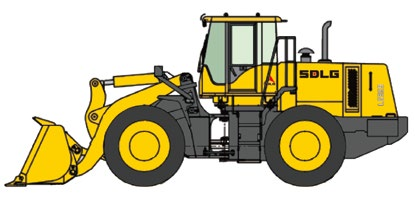 Wheel Loader
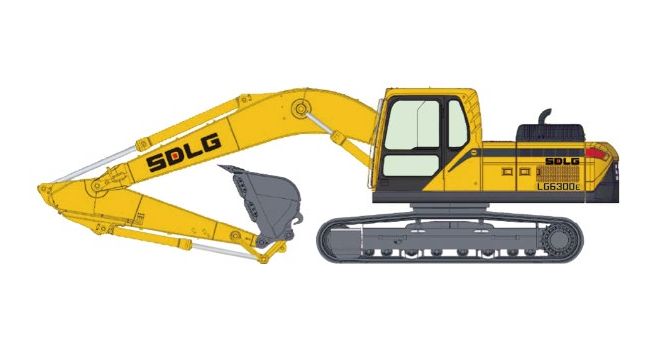 Excavator
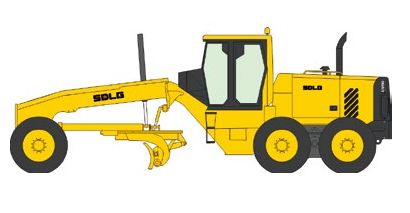 Motor Grader
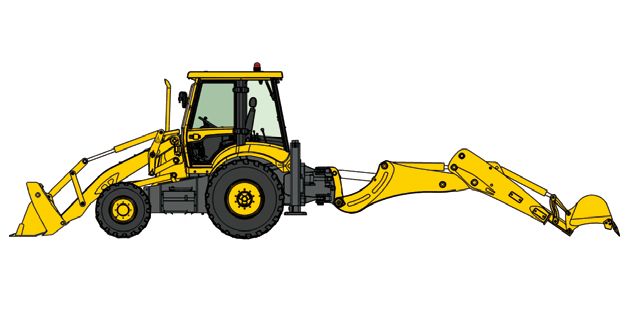 Backhoe Loader
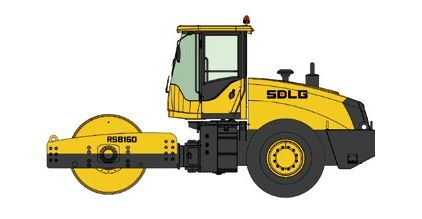 Road Roller
 Spare Parts