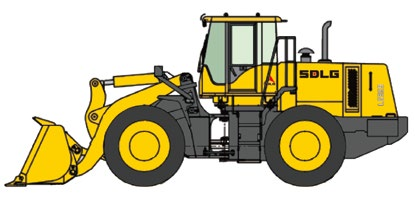
 Wheel Loader
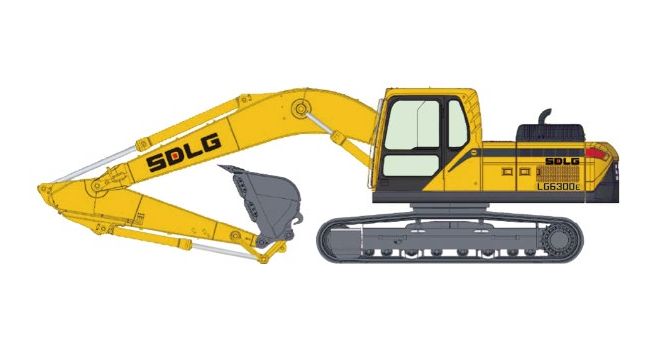 Excavator
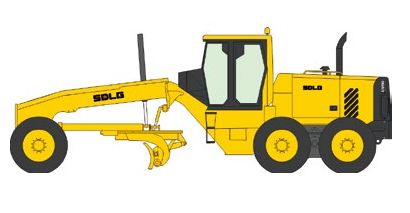 Motor Grader
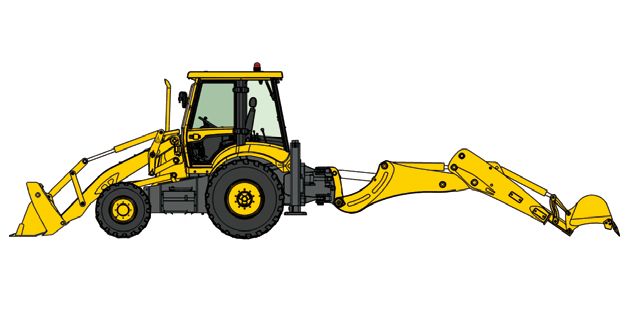 Backhoe Loader
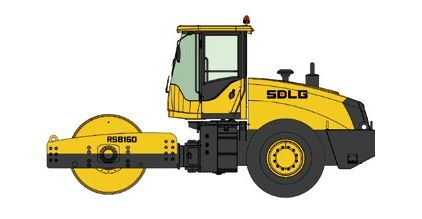 Road Roller
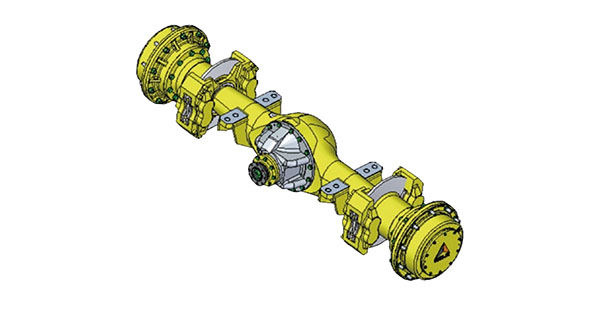 Spare Parts
Leave Your Message


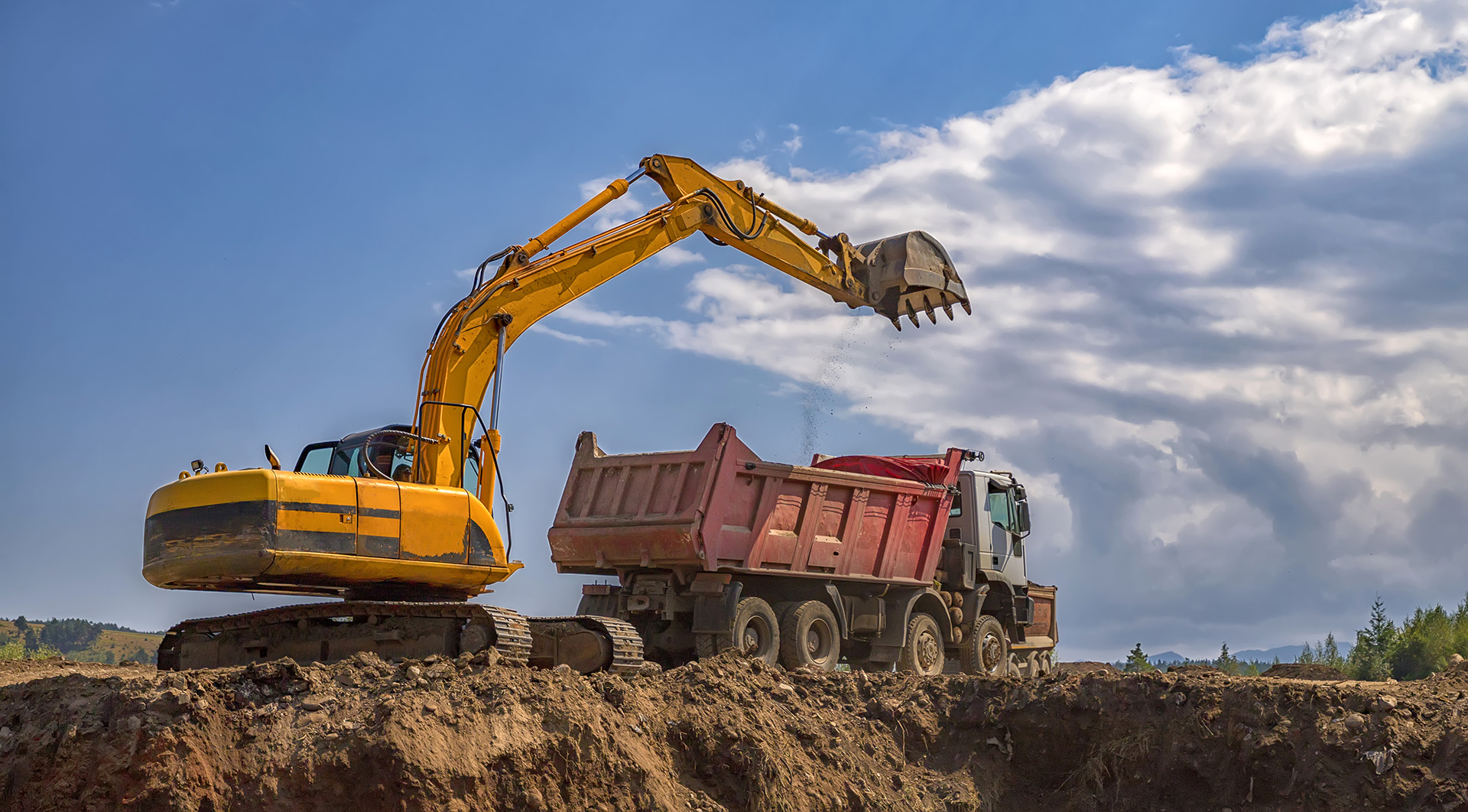
In disaster recovery scenarios, time is the most critical factor. The 1 ton excavator has emerged as an indispensable tool for first responders and emergency management teams worldwide. Its compact size allows for rapid deployment to disaster-stricken areas where larger equipment cannot access. These mini excavators can navigate through narrow streets, collapsed structures, and debris-filled environments that are common in the aftermath of earthquakes, floods, hurricanes, and other natural disasters.
Despite their small footprint, 1 ton excavators deliver remarkable operational capabilities. With digging depths reaching up to 2.5 meters and bucket capacities suitable for debris removal, these machines can perform critical tasks including search and rescue operations, clearing access routes, removing hazardous materials, and creating temporary drainage systems. The hydraulic systems in modern 1 ton excavators provide precision control essential for delicate operations near unstable structures.
The global market for compact excavators in disaster recovery applications has experienced a 34% growth over the past five years. Government agencies and emergency response organizations have increased their procurement of 1 ton excavators by 45% since 2020, recognizing their essential role in rapid response strategies. Industry experts project continued expansion as climate-related disasters increase in frequency and severity worldwide.
1 ton excavators are deployed by USAR teams for carefully removing debris from collapsed buildings while minimizing risk to trapped survivors. Their precision controls allow operators to work in confined spaces with exceptional accuracy.
During flood disasters, these compact machines create emergency drainage channels, remove water-damaged materials, and assist in sandbagging operations. Their low ground pressure prevents further damage to saturated soil.
After wildfires, 1 ton excavators help remove burned vegetation, create firebreaks, and clear access roads for reconstruction efforts. Their maneuverability is crucial in mountainous and forested terrain.
Utility companies utilize these excavators to quickly access and repair damaged underground infrastructure including water lines, gas pipes, and electrical conduits in disaster zones.
Relief organizations employ 1 ton excavators to rapidly prepare sites for temporary housing, creating level foundations and installing basic utilities for displaced populations.
These machines facilitate efficient debris management by sorting materials for recycling and proper disposal, contributing to sustainable recovery practices and environmental protection.
Modern 1 ton excavators designed for disaster recovery incorporate cutting-edge technologies that enhance their effectiveness. GPS tracking systems enable coordinated multi-unit operations across large disaster zones. Telematics provide real-time equipment monitoring, ensuring optimal performance during critical missions. Some models feature zero-tail-swing designs that maximize safety in confined spaces, while rubber tracks minimize surface damage to roads and infrastructure that remain intact.
Additionally, many manufacturers now offer electric or hybrid-powered 1 ton excavators specifically for indoor disaster recovery operations where exhaust emissions could endanger rescue workers or survivors. These emission-free machines can operate safely inside collapsed structures, parking garages, and other enclosed environments where traditional diesel equipment would be hazardous.
The next generation of 1 ton excavators for disaster recovery will feature enhanced autonomous capabilities and remote operation systems. This technology allows operators to work from safe distances when dealing with unstable structures, hazardous materials, or radiation zones. Several manufacturers are currently testing semi-autonomous excavators that can perform programmed tasks while human operators supervise from control stations.
Remote operation technology is particularly valuable in scenarios involving chemical spills, nuclear incidents, or buildings at risk of secondary collapse. Operators can use VR headsets and haptic feedback systems to control excavators with precision while remaining at safe distances from danger zones.
Future 1 ton excavators will incorporate advanced sensor arrays including thermal imaging cameras, ground-penetrating radar, and acoustic detection systems. These technologies assist operators in locating survivors trapped beneath debris, identifying structural weaknesses, and detecting gas leaks or other hazards before they pose threats to rescue teams.
Integration with drone technology creates comprehensive situational awareness systems where aerial surveillance coordinates with ground-based excavator operations, optimizing resource deployment and improving rescue success rates.
Recognizing that the first 72 hours after a disaster are critical for survivor rescue, manufacturers and logistics companies are developing rapid deployment systems for 1 ton excavators. These include:
The disaster recovery industry is increasingly focused on sustainable practices. New 1 ton excavators feature biodegradable hydraulic fluids that prevent environmental contamination if equipment is damaged during operations. Electric models with swappable battery systems eliminate diesel fuel requirements, reducing the carbon footprint of recovery operations while enabling operation in environmentally sensitive areas affected by disasters.
When earthquakes strike urban areas, 1 ton excavators become the primary tool for accessing collapsed structures. Their compact dimensions—typically under 1.5 meters wide—allow them to navigate through rubble-strewn streets and operate in spaces between damaged buildings. The precision hydraulics enable operators to carefully remove debris layer by layer, creating access points for rescue dogs and search cameras while minimizing vibration that could trigger secondary collapses.
In the 2023 Turkey-Syria earthquake response, over 200 mini excavators were deployed within the first week, contributing to the rescue of hundreds of survivors. The machines worked in coordination with structural engineers who used laser scanning to identify safe excavation paths. This integrated approach reduced rescue time by an average of 35% compared to manual debris removal methods.
Following hurricane events, 1 ton excavators perform multiple critical functions. They clear fallen trees and debris from roads, enabling emergency vehicles to reach affected communities. Their ability to work in water up to 50cm deep makes them ideal for flood-affected areas where larger equipment would become stuck or cause additional damage.
Storm surge recovery often requires excavating sand and sediment that has buried infrastructure. The compact excavators can work in residential areas without damaging surviving structures, carefully uncovering buried vehicles, utilities, and building foundations. Their low noise levels compared to larger equipment also reduce stress on disaster survivors still residing in affected areas.
When industrial facilities experience explosions, chemical releases, or structural failures, 1 ton excavators equipped with specialized attachments become essential response tools. Explosion-proof models certified for hazardous environments can operate in areas with flammable vapor risks. Remote-controlled variants allow operations in chemically contaminated zones where human presence would be dangerous.
The compact size enables these machines to enter factory buildings through standard doorways, accessing interior collapse zones without requiring extensive demolition of surrounding structures. This capability significantly reduces response time and minimizes secondary damage to salvageable equipment and inventory.
Emergency management agencies worldwide are developing strategic approaches to 1 ton excavator procurement. Best practices include maintaining diverse fleets with multiple attachment options, establishing pre-positioned equipment caches in disaster-prone regions, and implementing comprehensive maintenance protocols ensuring 95%+ equipment availability during activations.
Leading organizations maintain ratios of one 1 ton excavator per 50,000 population in high-risk areas, with additional units available through mutual aid agreements. Fleet composition typically includes 60% standard bucket-equipped units, 20% with hydraulic breakers for concrete demolition, 15% with grapples for debris handling, and 5% specialized units with augers or other task-specific attachments.
Effective disaster response requires operators trained specifically in emergency scenarios. Certification programs now include modules on working near unstable structures, coordinating with rescue teams, and operating in hazardous environments with appropriate safety protocols.
Disaster response excavators require enhanced maintenance protocols including monthly operational checks, sealed component protection against long-term storage issues, and rapid-deployment checklists ensuring equipment can be activated within 30 minutes of notification.
Successful deployment depends on pre-established logistics networks including transport contracts with heavy equipment haulers, fuel supply agreements, and parts inventory systems ensuring critical components are available during extended operations.
While 1 ton excavators represent significant capital investments—typically $25,000 to $45,000 per unit depending on specifications—their value in disaster response is well-documented. Economic analyses demonstrate that communities with pre-positioned compact excavator fleets reduce average disaster recovery time by 40-60%, translating to hundreds of millions in avoided economic losses during major events.
The versatility of these machines provides additional value through non-emergency applications. During normal operations, disaster response excavators can be deployed for municipal maintenance, utility work, and infrastructure projects, generating revenue that offsets acquisition and maintenance costs. Many agencies report that their disaster response fleets achieve 60-70% utilization rates through these dual-purpose deployments.
Studies of disaster response programs show that every dollar invested in pre-positioned equipment including 1 ton excavators returns $4-7 in avoided costs through faster recovery, reduced secondary damage, and improved survival rates. Insurance industry data indicates that communities with robust equipment resources experience 25-35% lower disaster-related insurance claims compared to those dependent on external resource requests.
The Asia-Pacific region, with its high exposure to earthquakes, typhoons, and flooding, leads global adoption of 1 ton excavators for disaster response. Japan maintains the world's most sophisticated deployment network with over 3,000 mini excavators specifically designated for emergency response, supported by automated deployment protocols that can position equipment at disaster sites within 6-8 hours of event occurrence.
China has invested heavily in disaster response infrastructure, with provincial governments maintaining standardized fleets of compact excavators. The country's rapid response to the 2024 Gansu earthquake, deploying 150 mini excavators within 24 hours, demonstrated the effectiveness of centralized procurement and strategic positioning.
North American disaster response strategies increasingly emphasize public-private partnerships where construction companies and equipment rental firms commit to providing excavators during emergencies. This approach leverages existing commercial equipment fleets while maintaining dedicated government-owned units for immediate response.
European nations focus on cross-border mutual aid agreements, with standardized equipment specifications enabling seamless integration of resources from multiple countries during large-scale disasters. The EU Civil Protection Mechanism maintains a registry of available disaster response equipment including over 500 1 ton excavators across member states.

Linyi Weiman Import and Export Co., Ltd. Located in Linyi city, Shandong province, near SDLG factory and closes to XCMG, SEM, Shantui and Weichai factories.
Weiman is the top professional construction equipment supplier, in particular heavy construction equipment, including wheel loaders, luxury mini loader, backhoe loader, skid steer loader, excavator, motor graders, forklift, bulldozer for countries world widely. Our expertise extends to providing essential equipment for disaster recovery operations, ensuring rapid response capabilities for emergency management teams globally.













Quick delivery time for customers, prompt reaction for spare parts, all these has made a good reputation for us for being a trustworthy partner, because we believe in understanding our clients, open communication, effective planning as well as preparation and is committed to executing and delivering our promises. Our warehouse covers more than 5000 square meters, and located near the airport, railway and high way, which guarantee the quick delivery and low purchasing cost, which will save you much time and money.